

Blog
Product updates and feature deep-dives from the Omnigent team.
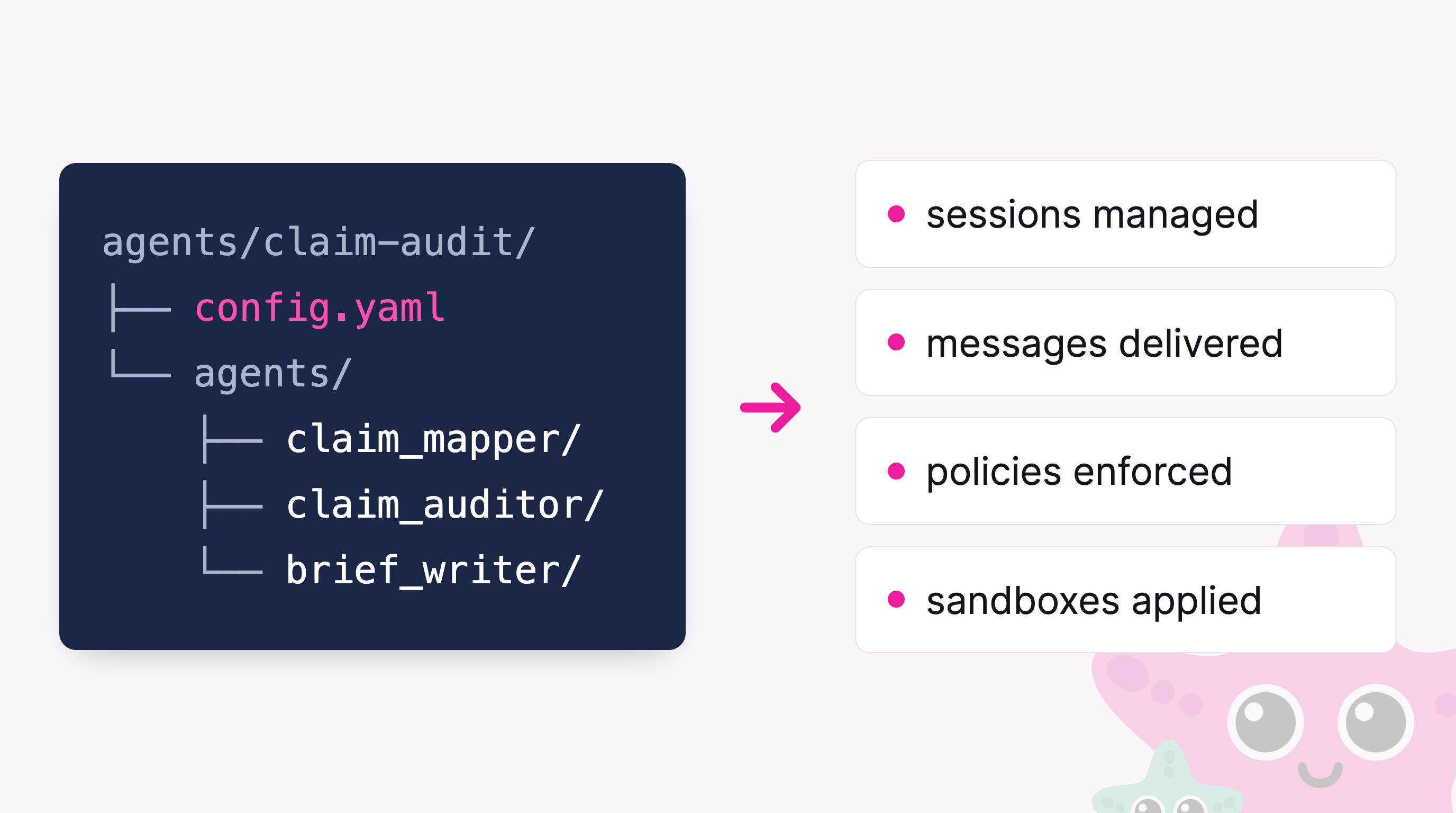
Moving agent orchestration from code to configuration
Define the orchestration setup you want in YAML, and let Omnigent handle the sessions, messaging, isolation, and policy enforcement that make it run.

Stop Surprise LLM Bills With Production-Ready Cost Controls
How Omnigent keeps LLM spend predictable: smart routing, progressive budgets, custom pricing for self-hosted models, and per-model usage tracking.

Give your agents built-in structured web research and extraction
Enable nimble_research and nimble_extract by name in your agent spec: your agents can run cited web research and pull structured data off live pages, no glue code required.
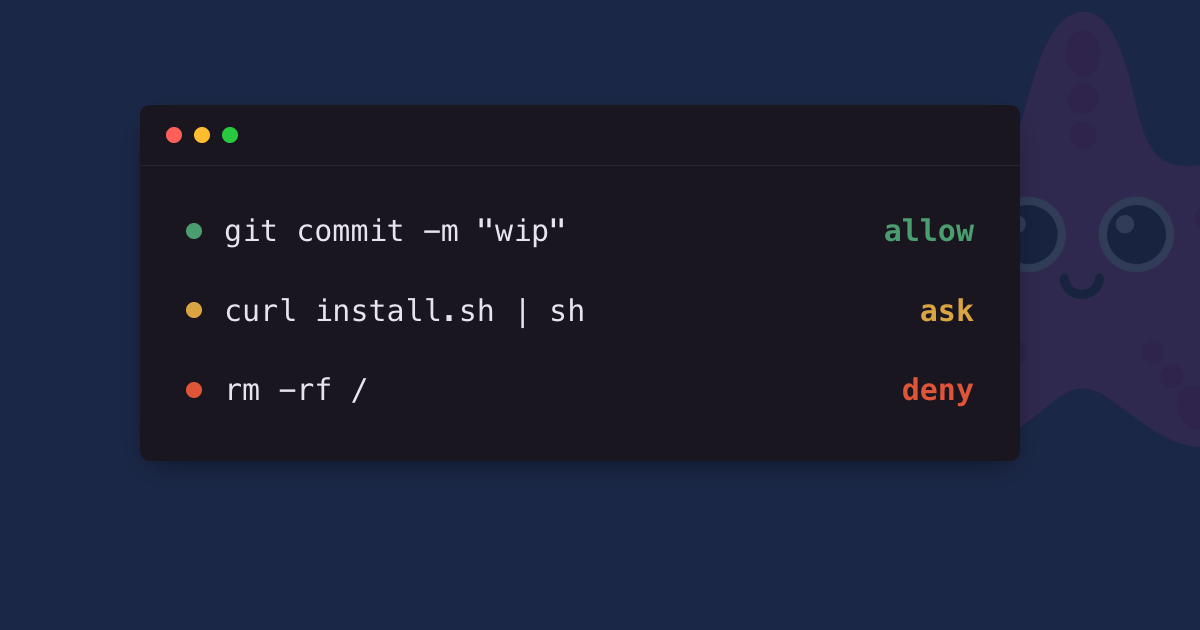
Allow, ask, deny: contextual policies in Omnigent
An introduction to Omnigent policies: contextual ALLOW/ASK/DENY guardrails for AI agents, with built-in, custom Python, and CEL examples.
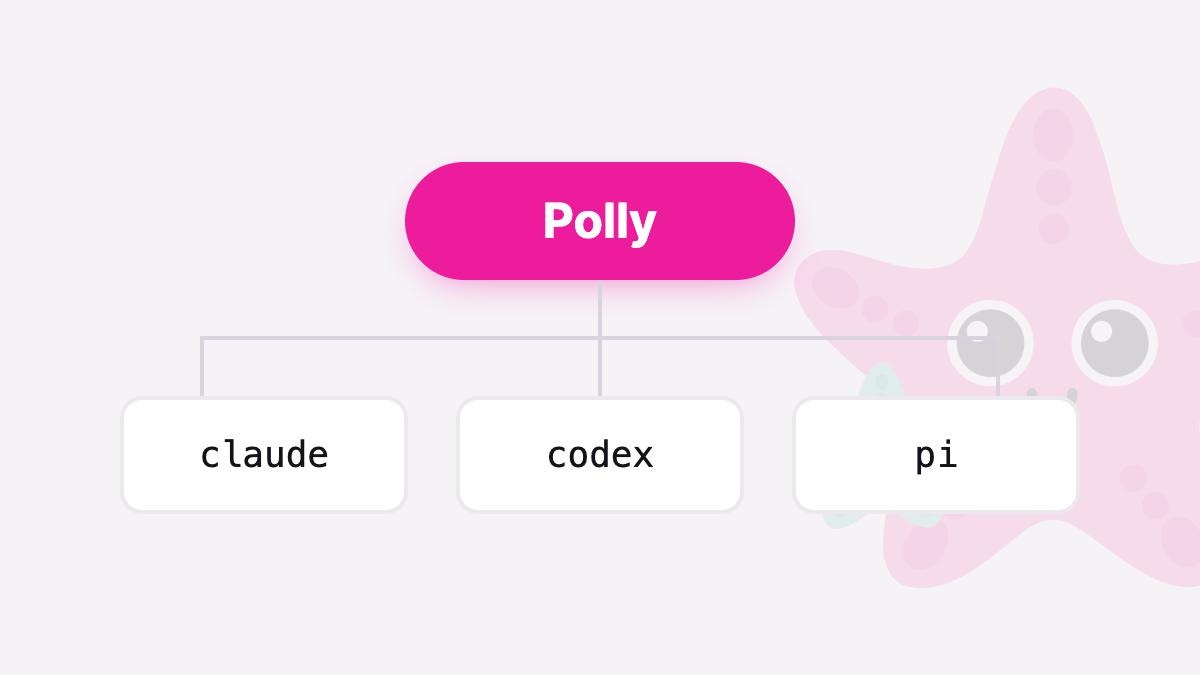
Meta-Harness: the Missing Layer Above Claude Code, Codex, and Pi
Use Claude Code, Codex, Pi, and other coding agents together through one shared orchestration, collaboration, and policy layer.

Organize your sessions into projects, with optional defaults that pre-fill every new chat
Projects keep related sessions together instead of scattered across a flat list. Each one can optionally carry default session settings (host, working directory, agent, and a fresh git worktree) so new chats open pre-filled when the work runs the same way.

Plug any ACP agent into Omnigent with your tools and governance built in
Point Omnigent at any agent that speaks the Agent Client Protocol and run it with your session tools, sub-agents, skills, and policies already wired in.

Line up your next moves while an agent works — steer or reorder them mid-run
Type follow-ups while a turn is running: they queue in a strip above the composer and send in order when the agent goes idle, or you can steer, edit, reorder, and delete them.